
Otto Warburg – the Nobel laureate who studied cellular respiration
Otto Warburg received the Nobel Prize in 1931 for his research on the respiratory enzyme. His story, and what the “Warburg effect” really is.
MyHealth guide: water in glass bottles, nanobubble aeration, storing and serving water.
Otto Warburg received the Nobel Prize in 1931 for his research on the respiratory enzyme. His story, and what the “Warburg effect” really is.
Glass can be remelted many times without losing quality. How to sort water bottles and caps so that they get recycled.
Water on the table is the first thing a guest sees. How to serve it: at what temperature, in which bottles and in what portions.
Water in glass keeps its taste for a long time, but storage conditions matter. Where to keep packs, what to do with an open bottle and how to read the best-before date.
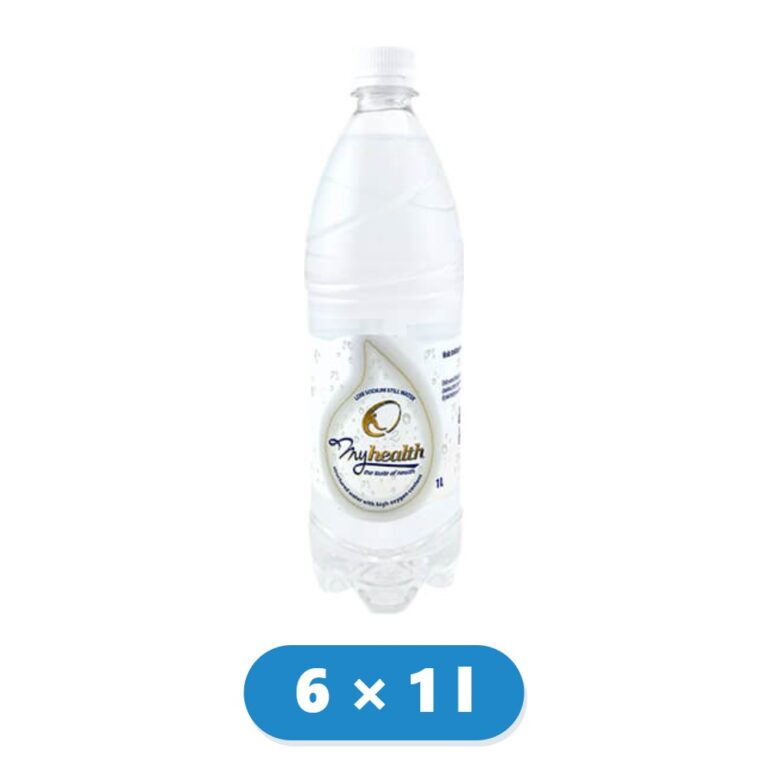
Water contributes to the maintenance of normal physical and cognitive functions. How much water you need during the day and how to remember to drink it.
Mineralisation is the total content of dissolved minerals in water. MyHealth has 336 mg/l, which places it among low mineral waters. Here is what that means.
How much oxygen can dissolve in water depends mainly on temperature and pressure. We explain why cold water holds more oxygen and how to drink aerated water.
Nanobubbles are gas bubbles smaller than one micrometre. Instead of rising to the surface like ordinary bubbles, they stay in water for a long time. This is how we aerate MyHealth.
Glass and PET are both approved for food contact, but they differ in taste neutrality, weight, durability and recycling. A point-by-point comparison.